Would you be surprised that some home insulation now comes from wood? Technology is allowing more and more ways to utilize wood in different products. Let’s look at some different products made from wood that didn’t exist ten years ago.
Insulation for structures
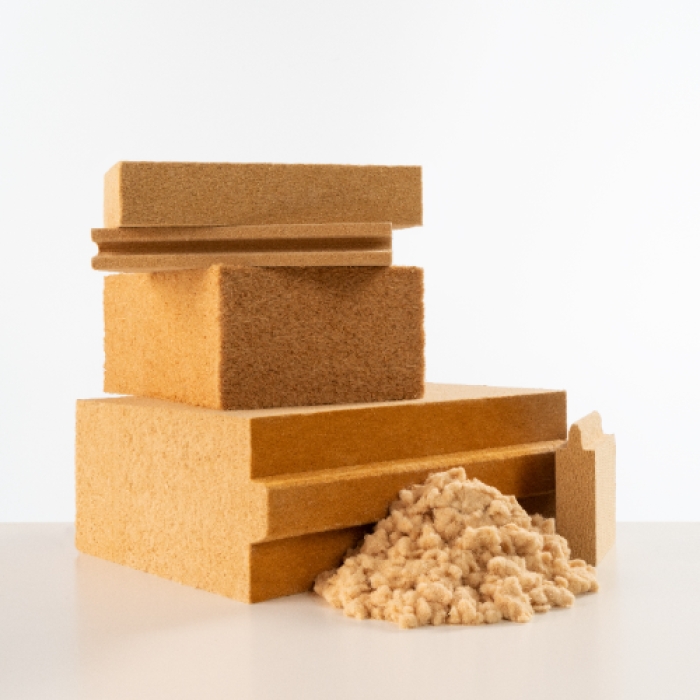
A Maine startup company, TimberHP, is making insulation for homes from left over wood chips and wood waste using a process that has existed in Europe for years. It repels moisture without trapping humidity which reduces the chance for condensation, mold and rot. This process utilizes less energy than conventional glass insulation in the production. It also avoids the glass fibers which get into the eyes, lungs and skin during glass insulation installment if protective equipment isn’t employed. It comes in bats, loose fill or timber boards.
Container screw caps
Six and one half billion plastic caps are consumed every day around the world. Now Blue Ocean Closures in Sweden has started producing caps from wood or cellulose fiber extracted from wood.
Clothes from wood
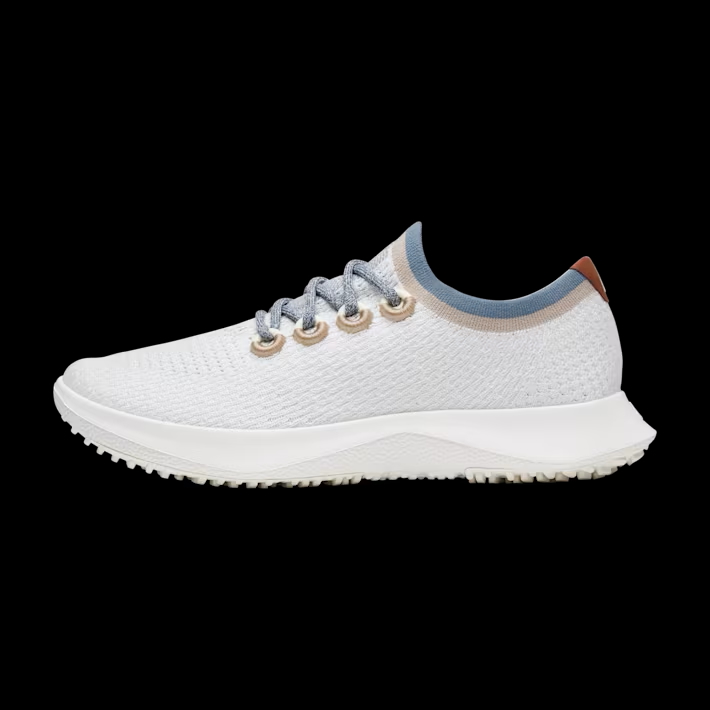
The process of a spider producing a web inspired the founders of Spinnova, a Finnish startup, to produce micro fibrillated cellulose which can then be spun into thread. The process involves no harmful chemicals, no heat and minimal water usage. The company works with a few clothing brands at present but hopes to expand.
Bio based foam
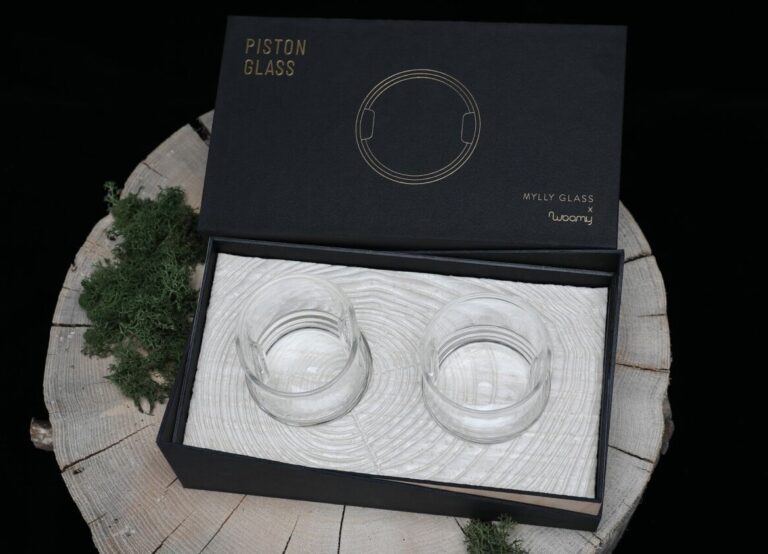
Woamy, a Finnish firm, produces recyclable foam packaging made from cellulose fibers. Some people estimate that around ninety percent of the plastic debris in the ocean is fossil-based foam plastics. Replacing fossil-base foam with wood based foam could be a huge help to the environment.
Nano Cellulose in Screens and electronic
Nano Cellulose is wood fiber particles made so small they can’t be seen. It has been used for years as an anti-caking and thickening agent in grated cheese and ice cream. Now, nano cellulose can be used in screens on phones, laptops and computers and may someday replace the plastics now used due to its qualities of greater strength, less thermal expansion, flexibility and sustainability.
Paper bottles
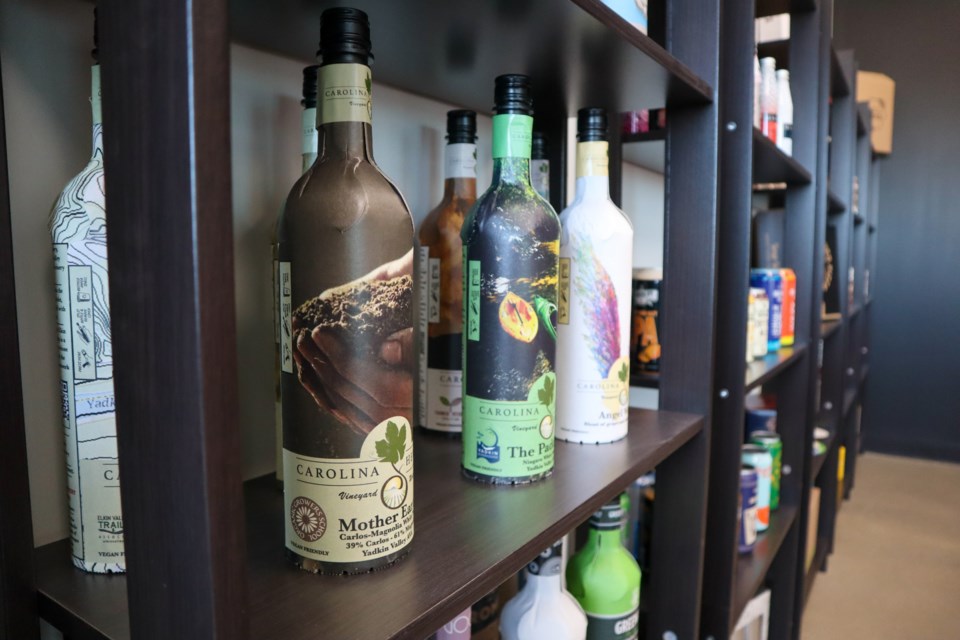
Yes, bottles made out of recycled cardboard which originally came from trees. I firm in Canada, KinsBrae Packaging, is making the bottles on a machine invented in the UK. It can make 5 million bottles a year which is just a drop in the bucket of 500 billion plus bottles Canada and the US uses a year. Shipping wise paper bottles weigh less than glass and are non -breakable plus there is the environmental advantage over petroleum based plastic bottles.
Stay tuned for more new wood products in Unusual wood products Part 3.
The information for this blog came from the following places: