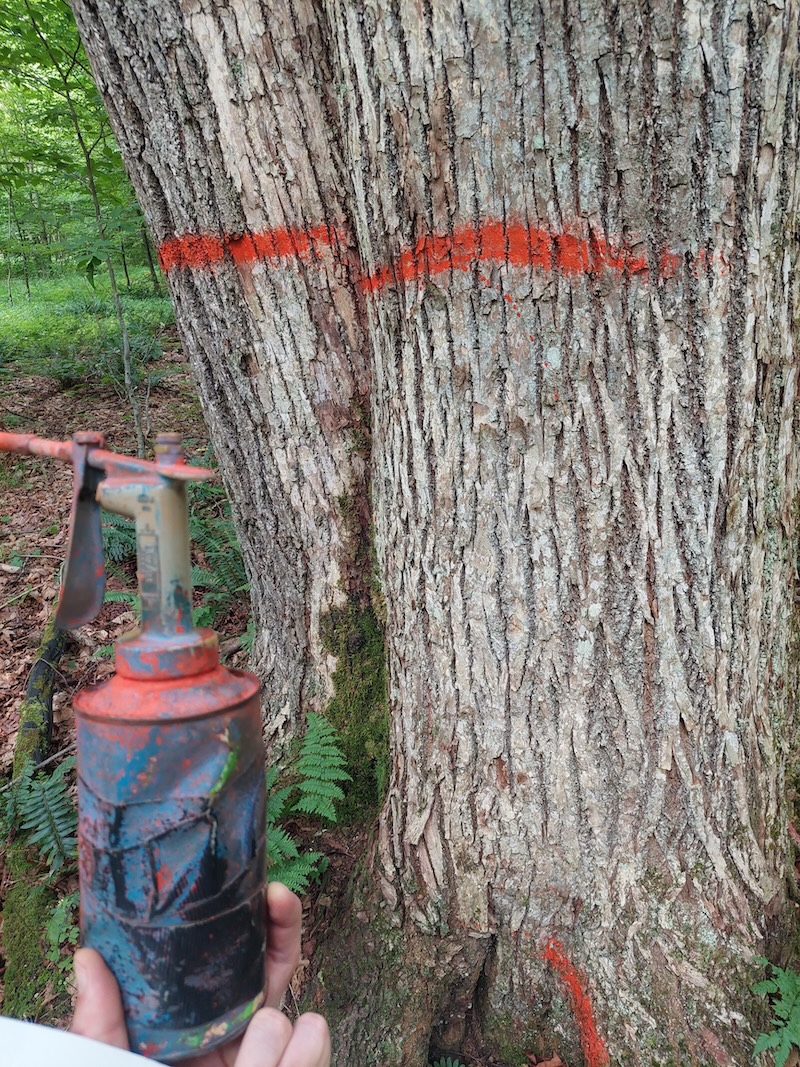
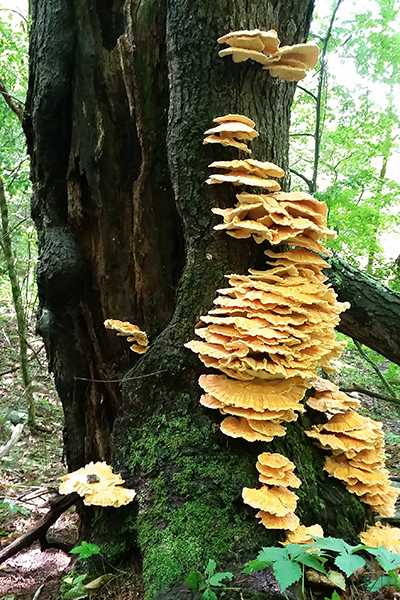
Would you ever have believed someone could make clothes from wood?
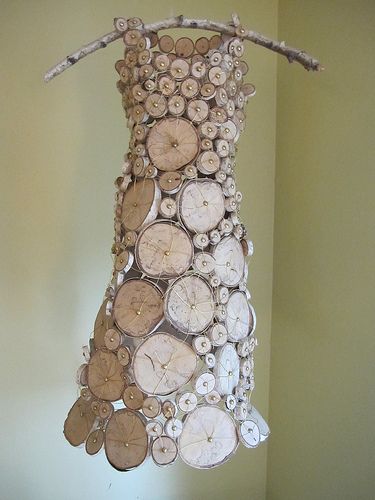
Well, not exactly what I was thinking of, but unique.
Spinnova is a Finnish startup company that is making clothes from wood. Scientists there have figured out how to extract cellulose from wood and spin it into thread that can be woven together to create clothes. And they have been successful enough that they are looking to expand into large commercial production.
Spinnova was developed by taking knowledge of how spiders create the silk for spiderwebs. Juha Salmela, a cellulose expert in Finland, discovered that the protein in spider silk is similar to the protein in cellulose.
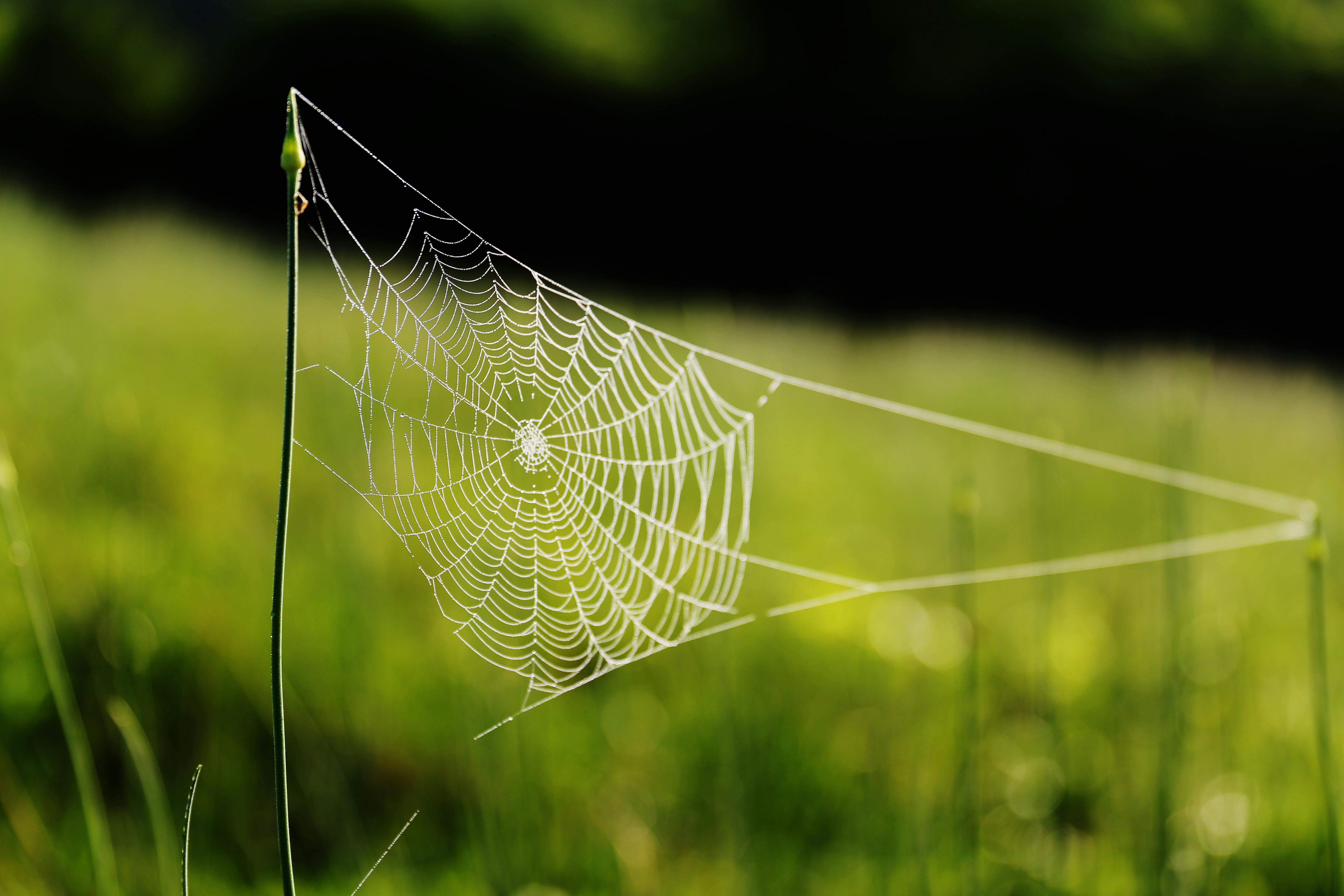
Salmela found a way to mechanically extract the raw pulp cellulose from wood without having to dissolve it with harsh chemicals, as has been done in the past. Salmela then wondered if wood fiber, or cellulose, could be spun into a textile fiber similar to the natural process spiders use. This is called biomimicry.
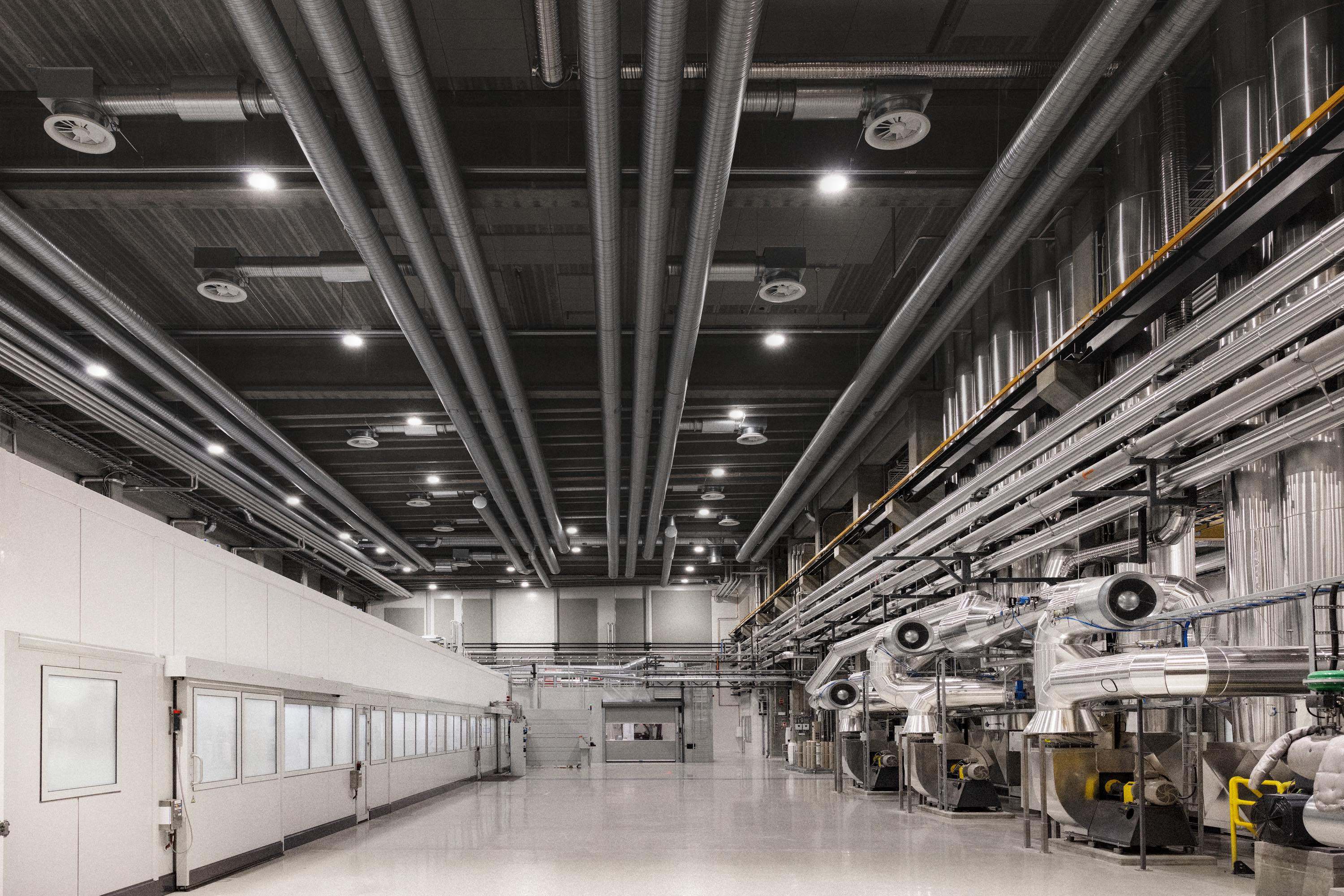
The raw cellulose, which is in a suspension of water, is then forced through a nozzle at high pressure. This causes the fibrils of cellulose to rotate and align with the flow and create a natural fiber. This fiber is dried and then spun into yarn and made into clothing.
So what is the big deal about this? The world has been making clothes from natural material for centuries: cotton, wool, silk, alpaca, flax, hemp, jute, even milkweed and other plants. The big deal is to avoid as many negative inputs as possible when producing textiles. Negative inputs like amount of water usage, the energy required, chemicals involved, and CO2 emissions.
The following are percentages different materials make up in the textile industry. These statistics vary but give a general idea.
Material and Percent
Polyester - 63%
Cotton - 24%
Cellulose-based - 6%
Wool - 1%
Other - 6%
What does it take to produce polyester, cotton or Spinnova based clothes? Below is a general list. Specifics are hard to compare without sharing nuances.
| Polyester | Cotton | Spinnova | |
| Amount of Water | more | most | least |
| Amount of Energy | most | more | least |
| Amount of Chemicals | more | more | zero |
| CO2 Emissions | most | more | least |
Spinnova requires a lot less water and energy while producing less CO2 emissions than polyester or cotton in the whole life cycle analysis of creating textiles for clothing. This is becoming more and more important as the demand for textiles grows worldwide. Textile production is estimated to contribute to five to ten percent of the global CO2 emissions. Consider that it takes ten times more energy to produce one ton of textiles than to melt sand to produce a ton of glass.
So, want to contribute to less negative inputs when buying clothes? Check out these companies collaborating with Spinnova.
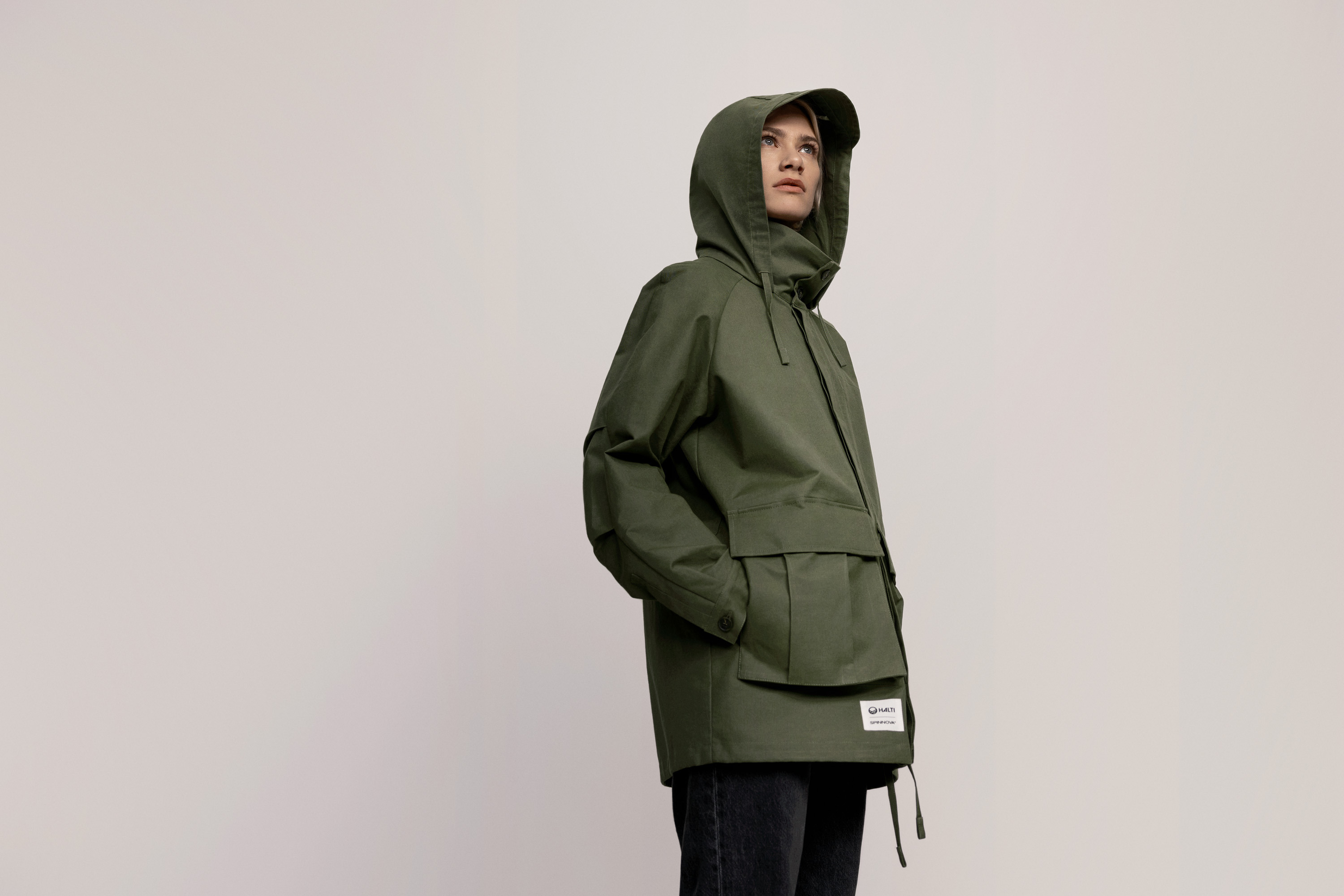
Adidas, The North Face, Bergans of Norway and more companies in the future as Spinnova expands production.
Here is a link to the Spinnova website, where I got a lot of the information for this article.
Here is a link to an article about which textile is more environmentally friendly.
Here is a link to an article about cotton vs polyester’s environmental impact.
Here is a link to the Textile Think Tank, where I got some information for this article.
Here is a link to the Aim 2 Flourish web site, where I got some information for this article.